Common side effects may include: stomach discomfort, gas, bloating; mild diarrhea; or. mild skin rash or itching.
When should you take acarbose?
Acarbose comes as a tablet to take by mouth. It is usually taken three times a day. It is very important to take each dose with the first bite of each main meal. Follow the directions on your prescription label carefully, and ask your doctor or pharmacist to explain any part you do not understand.
What should you avoid when taking acarbose?
Avoid taking a digestive enzyme such as pancreatin, amylase, or lipase at the same time you take acarbose. These enzymes can make it harder for your body to absorb acarbose. Products that contain digestive enzymes include Arco-Lase, Cotazym, Donnazyme, Pancrease, Creon, and Ku-Zyme.
Does acarbose cause weight gain?
After 26 weeks, completed by 37 subjects in the acarbose group and by 38 subjects in the placebo group, a small weight regain of 0.6 kg was documented in the latter, whereas no weight increase was observed under acarbose treatment (p = 0.38, analysis of covariance with initial body weight as covariable).
What is acarbose prescribed for?
Acarbose is used to treat type 2 diabetes. Normally, your pancreas releases insulin into the blood stream after you eat. Insulin is used by all the cells in your body to help turn the food you eat into energy. This is done by using glucose (sugar) in the blood as quick energy.
How safe is acarbose?
Acarbose is safe and well tolerated, and is associated with a low incidence of gastrointestinal adverse effects; it is well accepted for the treatment of diabetes in Chinese patients. Acarbose is a viable choice for use as an initial therapy in Chinese patients with newly diagnosed T2DM.
What happens if you take too much acarbose?
Important warnings Symptoms include diarrhea, mucus discharge, rectal bleeding, and constipation. You need to let your doctor know immediately if you experience these symptoms. Allergic skin reaction warning: In rare cases, using acarbose can cause an allergic skin reaction.
Can I take acarbose to lose weight?
Conclusion: Acarbose, especially in combination with the low calorie diet and exercise, seems to lose weight effectively in obese and overweight patients in communities that have a high carbohydrate intake (like Persian diet).
Does acarbose affect the liver?
The liver injury caused by acarbose has generally been mild and self-limited with the injury resolving rapidly once acarbose is discontinued. Cross sensitivity with other hypoglycemic agents has not been described.
Does acarbose cause fatigue?
Many people using this medication do not have serious side effects. Tell your doctor immediately if any of these rare but very serious side effects occur: unusual tiredness, persistent nausea/vomiting, severe stomach/abdominal pain, rectal bleeding, yellowing eyes/skin, dark urine.
Article first time published on
Can acarbose cause anxiety?
Symptoms of low blood sugar include anxiety; behavior change similar to being drunk; blurred vision; cold sweats; confusion; cool, pale skin; difficulty in thinking; drowsiness; excessive hunger; fast heartbeat; headache (continuing); nausea; nervousness; nightmares; restless sleep; shakiness; slurred speech; or …
Does acarbose affect the kidneys?
Excretion: The fraction of Acarbose that is absorbed as intact drug is almost completely excreted by the kidneys.
Is acarbose the same as metformin?
Previous randomized clinical trials demonstrated that acarbose is as effective as metformin for glycemic control (11–14). Furthermore, in the STOP-NIDDM study, acarbose treatment was shown to prevent 49% of cardiovascular events in patients with impaired glucose tolerance (IGT) (15).
Why does acarbose cause diarrhea?
It occasionally causes diarrhea. Acarbose related colitis has been reported. This note explains how such side effects may occur. Because of small intestine alpha-glucosidase inhibition, increased starch reaches the colon.
Does acarbose affect blood pressure?
We found that acarbose effectively attenuates the fall in blood pressure after meals in patients with severe autonomic failure, suggesting a potential therapeutic use in the treatment of PPH.
Can acarbose cause hypoglycemia?
Acarbose does not cause hypoglycemia (low blood sugar). However, low blood sugar can occur if you take acarbose with another type of diabetes medicine, delay or miss a meal or snack, exercise more than usual, drink alcohol, or cannot eat because of nausea or vomiting.
How much acarbose can you take in a day?
It is usual to be started on one 50 mg tablet a day to begin with. Your dose will gradually be increased, as needed, up to a maximum dose of 200 mg three times daily.
Does acarbose cause gas?
Acarbose inhibits carbohydrate digestion, allowing an excessive amount of undigested carbohydrate to reach the colon. Bacterial fermentation of the carbohydrate produces intestinal gas, which can cause flatulence and abdominal pain.
Can you drink on acarbose?
While you are taking acarbose (also known as Precose) to help control your blood sugar levels, you should avoid drinking alcoholic beverages. Alcohol can worsen your sugar control as it provides a source of additional calories. However, it can also lower blood sugar and may increase the risk of hypoglycemia.
Can acarbose affect glycogen breakdown?
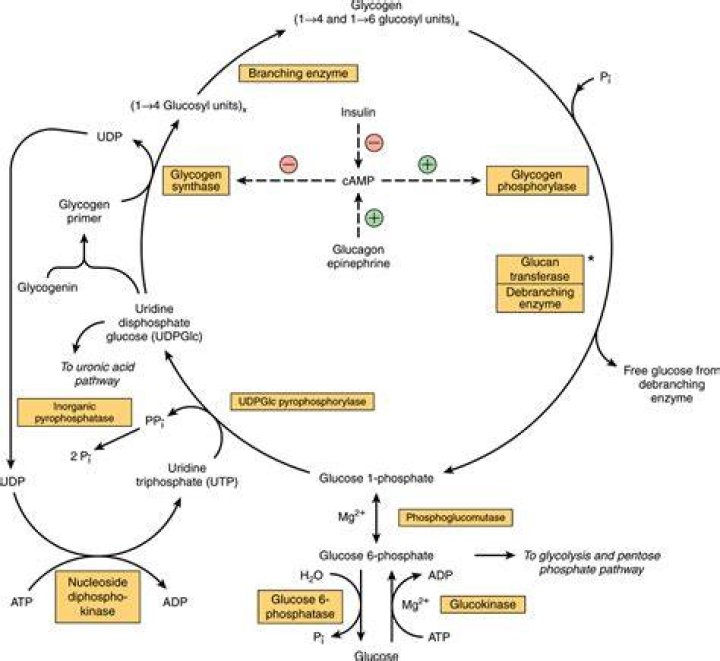
Acarbose, when injected intraperitoneally disturbs liver lysosome metabolism, causing distinct and persistent inhibition of the enzymes and acute disturbances of lysosomal glycogen metabolism. A feedback control mechanism appears to operate, affecting cytosolic carbohydrate metabolism.
Can you take acarbose with metformin?
Acarbose in combination with metformin thus has the potential to delay diabetes complications through improvement of metabolic control. There was also a favorable effect on fasting blood glucose levels.
Does acarbose inhibit glucose uptake in the liver?
Carbohydrate-induced postprandial triglyceride overproduction is reduced for several hours by acarbose, through a slowing of the impact of glucose on liver metabolism.
What drugs are alpha glucosidase inhibitors?
Alpha-glucosidase inhibitors are pills that treat type 2 diabetes. There are two medications in this group, or class, of drugs: acarbose (Precose) and miglitol (Glyset). They help keep the amount of glucose in your blood from going up too fast after you eat.
Does acarbose cause dry mouth?
Also watch for signs of high blood sugar (hyperglycemia) such as increased thirst, increased urination, hunger, dry mouth, fruity breath odor, drowsiness, dry skin, blurred vision, and weight loss.
How does acarbose treat hypoglycemia?
How do they work? Acarbose works by blocking an enzyme that breaks down starchy carbohydrates (bread, potato, etc) to glucose in the intestine. This will reduce the amount of glucose your body absorbs from food and give your pancreas time to secrete more insulin to lower blood sugar after meals.
What are the side effects of orlistat?
- Abdominal or stomach pain or discomfort.
- back pain.
- difficulty with moving.
- gas with leaky bowel movements.
- inability to hold bowel movement.
- increases in bowel movements.
- loss of bowel control.
- oily bowel movements.
How long has acarbose been on the market?
Acarbose is one of only two approved alpha-glucosidase inhibitors (the other being miglitol), receiving its first FDA approval in 1995 under the brand name Precose (since discontinued).
Which is better acarbose or metformin?
Conclusion. The glucose lowering effects of metformin monotherapy and acarbose monotherapy are the same by direct comparison, while metformin is a little better by indirect comparison. This implies that the effect of metformin is at least as good as acarbose’s.
How much does acarbose lower a1c?
Acarbose, an alpha-glucosidase inhibitor, results in an average HbA1c lowering of 0.5-0.8%.
When was acarbose approved by the FDA?
Approval Date: 8/16/1999.